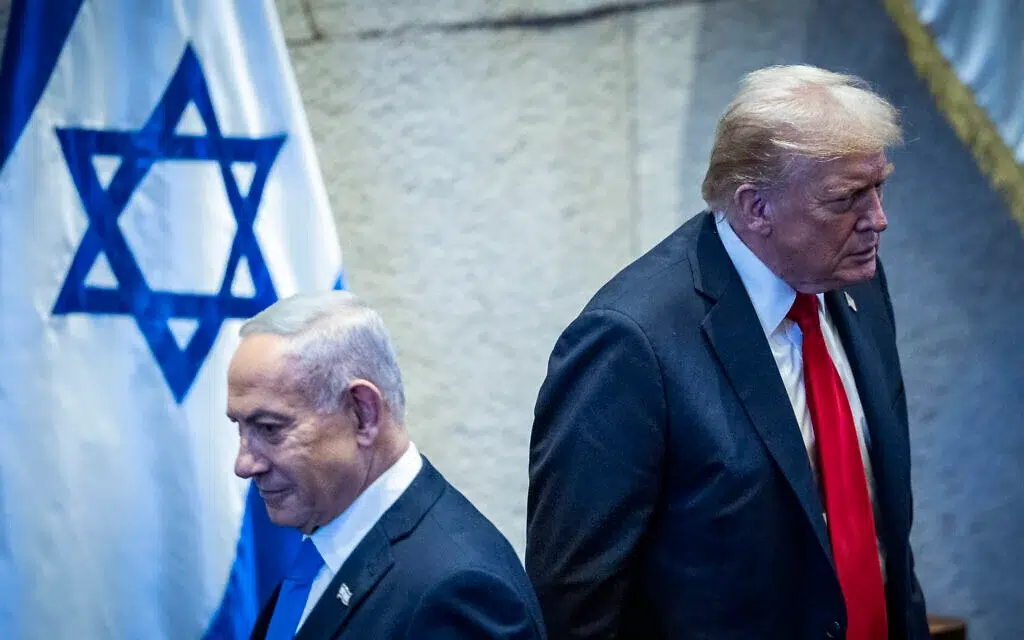
JERUSALEM/WASHINGTON D.C.—Israeli Prime Minister Benjamin Netanyahu is set to meet with U.S. President Donald Trump on December 29th, an official visit confirmed by the Prime Minister’s Office on Monday. The high-stakes meeting will focus primarily on advancing the crucial second phase of the U.S.-brokered plan to stabilize and govern the Gaza Strip following the recent ceasefire.
Thank you for reading this post, don't forget to subscribe!The meeting comes as the Trump administration intensifies its diplomatic efforts to transition the fragile truce into a sustainable, long-term security and political framework for the enclave. According to the Israeli government spokesperson, the leaders will discuss the “future steps and phases and the international stabilization force” outlined in the plan.
Focus on Phase Two Hurdles
The second phase of the U.S. plan is widely viewed as the most challenging, centering on the establishment of a transitional governing authority, the deployment of a multinational International Stabilization Force (ISF), and, critically, the disarmament of Hamas and other militant factions in Gaza.
While the ceasefire has held for over two months, significant sticking points remain:
-
Hamas Disarmament: Israel insists that the complete demilitarization of Hamas must precede any further withdrawal of Israeli troops. Prime Minister Netanyahu has publicly voiced skepticism regarding the ability of a multinational force to successfully achieve this disarmament.
-
ISF Mandate: The exact composition, authority, and rules of engagement for the International Stabilization Force are still under negotiation. Key nations, including potential contributors, are seeking clarity on the risks and roles involved.
-
Post-War Governance: The plan envisions a non-militant technocratic body, overseen by an international “Board of Peace,” to manage Gaza’s day-to-day affairs, replacing the previous Hamas rule.
Sources suggest President Trump is eager to announce the transition to the second phase before the end of the year, potentially revealing the final participants and structures of the new governance body.
Regional Implications and Other Agenda Items
The December 29th summit will be Netanyahu’s fifth meeting with President Trump since the U.S. President took office earlier this year, underscoring the urgency and strategic importance of the relationship.
Beyond the Gaza framework, the two leaders are also expected to address broader regional security issues, including:
-
Security Arrangements with Syria: Ongoing negotiations concerning the security landscape in southern Syria, where Israel has maintained a presence following recent military action.
-
Regional Peace Opportunities: Efforts to advance normalization agreements and broader diplomatic ties between Israel and Arab and Muslim-majority states.
While the Prime Minister’s Office did not confirm the location, Hebrew media reports indicate the meeting will likely take place at the President’s Mar-a-Lago resort in Florida, marking the first time the two leaders have met outside of the White House or Israel since the ceasefire.
The discussions at the end of the month are expected to set the course for the security and political future of Gaza, determining the pace and viability of the Trump administration’s core peace initiative in the region.