


BRUSSELS / NEW DELHI — In a major breakthrough aimed at securing a landmark economic partnership, European Commission President Ursula von der Leyen has confirmed that the upcoming EU-India Free Trade Agreement (FTA) will exclude the agriculture sector.
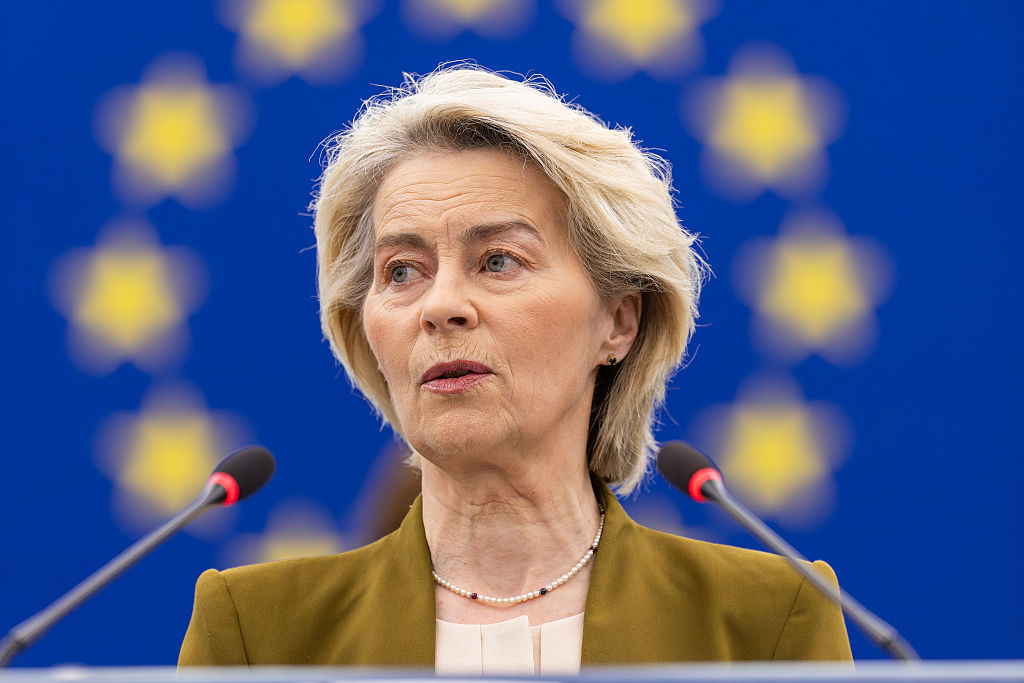
The decision, revealed during a closed-door meeting with MEPs in Brussels on Wednesday, clears the single largest hurdle that has stalled negotiations for over a decade.
A “Massive Signal” for Global Trade
Speaking to the centre-right EPP group, von der Leyen described the deal as a “massive signal” for EU trade relations in an increasingly protectionist global environment. Sources inside the room say she emphasized that excluding agriculture was a necessary compromise to protect the “defensive interests” of both European and Indian farmers.
“It has been clear from the very beginning that agriculture would not be included in the final package,” von der Leyen reportedly stated.
Why Agriculture Was the Dealbreaker
The exclusion is a strategic move to navigate the political sensitivities in both regions:
-
India’s Farmers: With nearly 44% of India’s workforce employed in agriculture, New Delhi has long feared that allowing cheap European dairy, meat, and grain into its markets would devastate rural livelihoods.
-
European Sensitivities: European farmers, particularly in France and Greece, have recently staged massive protests against free trade deals (like the Mercosur pact), fearing they would be undercut by cheaper imports.
-
The Compromise: While bulk agriculture is out, the EU has successfully secured a reduction in India’s massive 150% tariffs on European wine and spirits, which is seen as a major win for European exporters.
Signing Set for January 27
The timing is critical. Von der Leyen and European Council President António Costa are scheduled to fly to New Delhi on January 27, 2026, to sign the agreement alongside Prime Minister Narendra Modi.
The deal comes just one day after top EU leadership is expected to attend India’s Republic Day parade as Guests of Honour.
Diversifying from the U.S. and China
The urgency to finalize this pact has been accelerated by shifting global dynamics. With the U.S. administration imposing a 25% “Global Iran Tariff” and trade talks with Washington remaining stalled, both the EU and India are looking to each other to diversify their supply chains.
The agreement—set to be the EU’s largest to date—will provide preferential access to a market representing 25% of the world’s population. Key beneficiaries include:
-
India: Textiles, leather, pharmaceuticals, and electronics.
-
EU: High-tech machinery, automobiles, medical devices, and luxury spirits.
“This is not just a trade deal; it’s a strategic pivot,” said a senior EU official. “By removing agriculture from the table, we have unlocked the door to a partnership that defines the 21st-century economy.”
Other related stories
Europe Slams ‘Unjustified’ U.S. Visa Bans as Transatlantic Row Over ‘Censorship’ Escalates
World trade organization revises trade outlook in latest report
Trump Confirms Secret Outreach from Iran for Nuclear Talks Amid Deadly Protest Crackdown