
Davos 2026: The “Last-Chance Saloon” for Global Order?
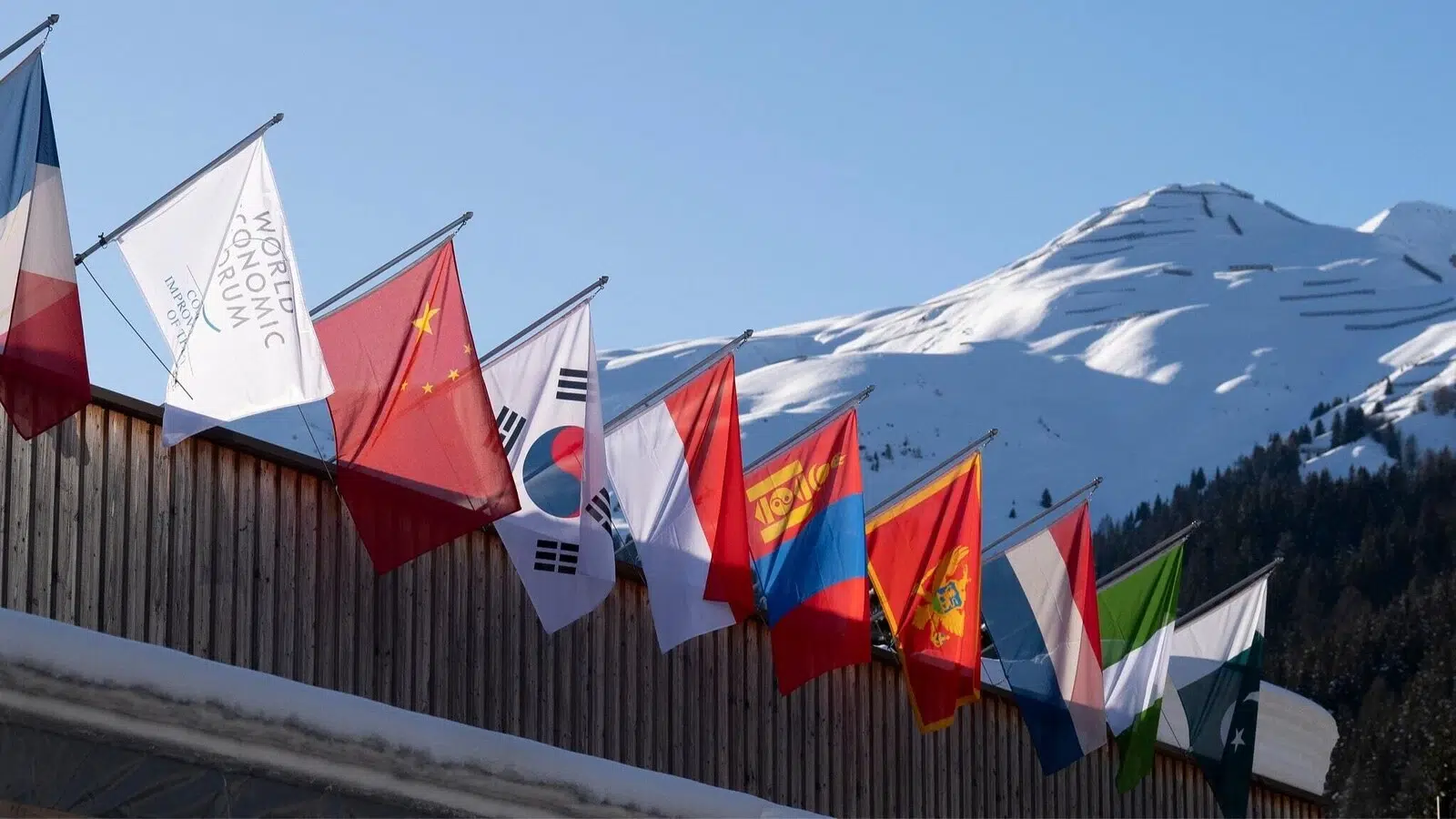
DAVOS, SWITZERLAND – As nearly 3,000 global leaders descend upon the snow-capped peaks of the Swiss Alps for the 56th Annual World Economic Forum (WEF), the air is thick with more than just mountain mist. Under the theme “A Spirit of Dialogue,” Davos 2026 is being described by many diplomats as the “last-chance saloon”—a final opportunity to stabilize a global order that feels increasingly on the brink of fragmentation.
From the return of President Donald Trump and his massive U.S. delegation to the meteoric rise of Generative AI governance, this year’s summit is no longer about “globalization” as we knew it. It is about survival in a multipolar world.
The “Trump Factor” and the Greenland Shadow
The most consequential figure in Davos this year is undoubtedly President Trump, marking exactly one year since his second inauguration. Leading the largest-ever U.S. delegation, Trump has brought a “Tariff First” agenda to the very heart of globalism.
The tension is palpable following Trump’s renewed interest in Greenland, a move that has sparked a diplomatic firestorm with Denmark and the EU. While European leaders like Emmanuel Macron and Ursula von der Leyen scramble to protect the “rules-based order,” the U.S. delegation is focused on securing independent supply chains and fossil fuel dominance.
IMF Offers a Glimmer of Hope Amid Trade Wars
Despite the geopolitical friction, the International Monetary Fund (IMF) provided a surprise boost on the summit’s opening day. The IMF has lifted its 2026 global growth outlook to 3.3%, citing a massive surge in AI-led investment that is currently offsetting the drag from protectionist trade policies and tariffs.
“The global economy is showing a ‘tenuous resilience,'” stated IMF Managing Director Kristalina Georgieva. However, she warned that this growth is “K-shaped,” benefiting tech-heavy nations while leaving emerging markets struggling with high debt and climate-related shocks.
Geoeconomic Confrontation: The Top Risk of 2026
The WEF Global Risks Report 2026, released just ahead of the summit, identified geoeconomic confrontation as the #1 threat to global stability. For the first time, economic weapons—tariffs, export bans on critical minerals, and sanction regimes—are viewed as more dangerous than traditional warfare.
Other key risks dominating the Davos halls include:
-
AI-Generated Disinformation: With several major elections on the horizon, the spread of deepfakes is a primary concern for the 400 political leaders in attendance.
-
The “Year of Water”: 2026 has been dubbed the “Year of Water,” with sessions focusing on the $7 trillion infrastructure gap needed to prevent global water-related shocks.
-
The AI Bubble: While AI is driving growth, tech giants like Nvidia’s Jensen Huang and Microsoft’s Satya Nadella are facing questions on whether the “AI boom” is sustainable or an “asset bubble” waiting to burst.
India’s Moment: The Decentralized Powerhouse
India has arrived in Davos with its most significant presence yet. Led by Union Ministers Ashwini Vaishnaw and Shivraj Singh Chouhan, along with a dozen state Chief Ministers, India is positioning itself as the “execution-ready” alternative to China.
With a projected growth rate of 7.4% for FY26, the Indian delegation is focused on manufacturing, green hydrogen, and digital public infrastructure, making a strong pitch to the 850 CEOs present that the future of the global order may very well be anchored in the Global South.
The Arctic Gambit: Why Trump is Pushing for Greenland and the Weight of Danish History