

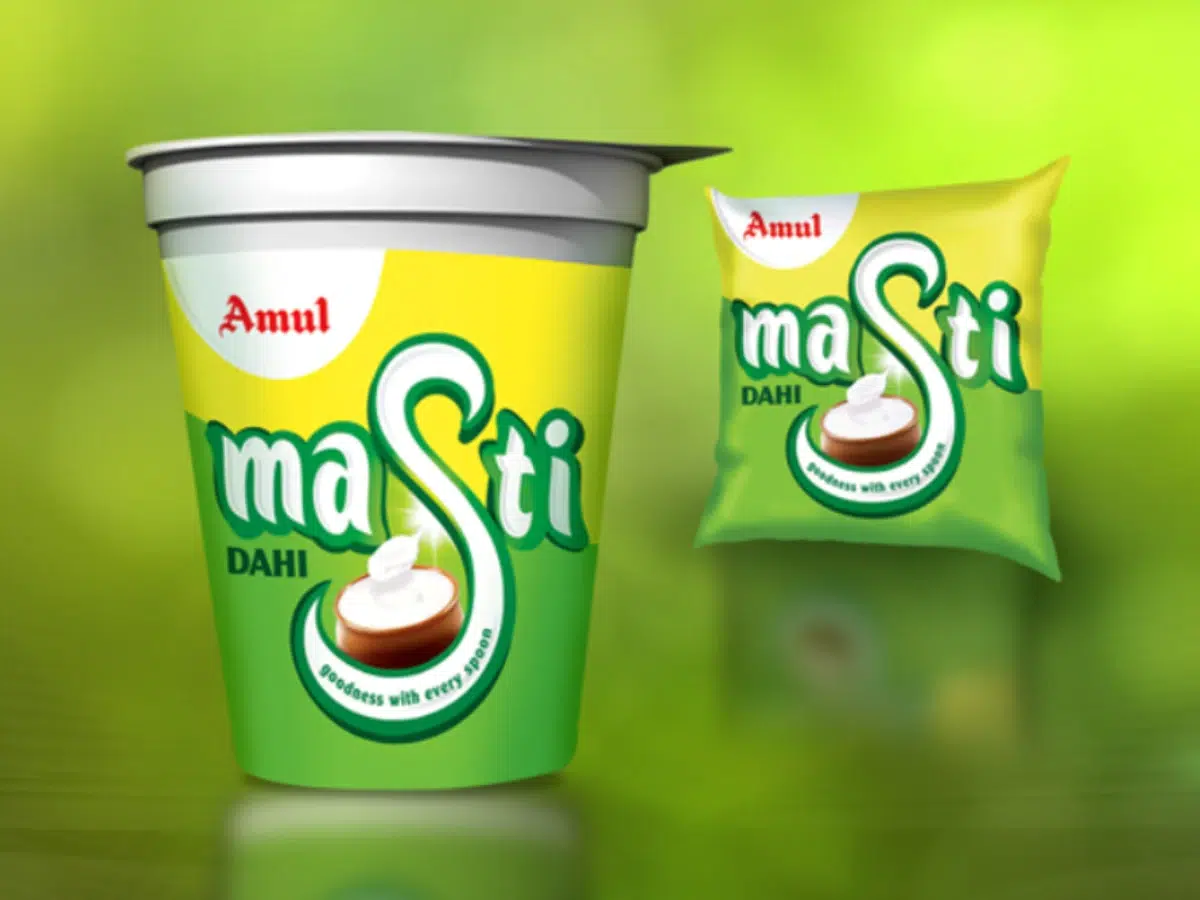
NEW DELHI — A viral investigation into India’s dairy giants—Amul, Mother Dairy, and Country Delight—has ignited a firestorm over food safety standards. Independent testing platform Trustified has released lab reports alleging that popular pouch milk and curd (dahi) variants contain microbial levels far exceeding the limits set by the Food Safety and Standards Authority of India (FSSAI).
While Amul has dismissed the claims as “misinformation,” the controversy has left millions of Indian households questioning the hygiene of their daily essentials.
The Trustified Lab Report: What the Data Claims
The controversy began in January 2026 when Trustified released results from accredited facilities, including Eurofins. The most alarming data points focused on the Amul Masti Dahi pouch variant.
Key Findings in Curd (Dahi)
-
Coliform Bacteria: Allegedly found at 21,000 CFU/g—reportedly 2,100 times higher than the FSSAI limit of ≤10 CFU/g.
-
Yeast and Mould: Reported at 60 times the permissible levels.
-
The Variant Gap: Notably, the cup variant of the same product passed all safety parameters.
Milk Under Scrutiny (February 2026 Update)
The investigation expanded this month to include pouch milk, with Trustified reporting significant non-compliance across major brands:
| Brand & Product | Parameter | Tested Result | FSSAI Limit |
| Amul Taaza | Coliform | 980 CFU/ml | ≤10 CFU/ml |
| Amul Gold | Coliform | 25 CFU/ml | ≤10 CFU/ml |
| Mother Dairy (Cow Milk) | Total Plate Count (TPC) | 2,40,000 CFU/ml | 30,000 CFU/ml |
| Country Delight (Cow Milk) | Total Plate Count (TPC) | 60,000 CFU/ml | 30,000 CFU/ml |
Amul Strikes Back: “Cold Chain Breakdown, Not Quality Failure”
Amul (GCMMF) has issued a robust defense, asserting that its products undergo over 50 stringent quality checks. In an official statement, the cooperative emphasized that the specific batches mentioned (e.g., Batch SR04CM) met all regulatory standards at the time of dispatch.
Amul’s primary arguments include:
-
Post-Production Handling: Dahi is a “live-culture” product. If the cold chain is broken (storage above 4–10°C) at the retail or consumer level, microbial counts can spike naturally.
-
Identical Processing: The company maintains that pouch and cup variants are processed using the exact same hygiene protocols; only the packaging differs.
-
Third-Party Verification: Independent re-tests by other creators (using NABL-accredited labs like Eureka) showed pouch samples passing when the cold chain was strictly maintained.
What are Coliforms and Are They Dangerous?
Coliform bacteria are “indicator organisms.” Their presence doesn’t always mean the milk is “poisonous,” but it serves as a red flag for:
-
Poor hygiene during production or packaging.
-
Contamination from water or equipment.
-
Breakdown in refrigeration during transport.
While Trustified confirmed the absence of pathogenic E. coli, high coliform counts suggest a higher risk of spoilage and potential gastrointestinal discomfort for consumers.
Consumer Advice: How to Stay Safe
As of February 14, the FSSAI has not announced a formal recall or penalty. However, food safety experts suggest the following precautions:
-
Check Storage: Only buy milk and dahi from shops that use functional, deep-cooling refrigerators.
-
The “Boil Test”: Always boil pouch milk before consumption, a practice that kills most common bacteria.
-
Consider Packaging: If concerned about hygiene consistency in pouches, consumers are increasingly opting for Tetra-paks or UHT (Ultra-High Temperature) milk, which have longer shelf lives and higher tamper resistance.
The Bigger Picture
This controversy highlights the logistical challenge of the “last mile” in India’s dairy sector. While manufacturing facilities may be ISO-certified, the journey from the factory to the neighborhood kirana store remains the weakest link in the safety chain.
PingTV will continue to monitor this story for updates from FSSAI and brand representatives.
READ MORE NEWS:
Gold Prices Dip on Profit Booking as US Dollar Strengthens: Key Levels and Outlook for Investors
Gaza’s Children Face Deadly Malnutrition Crisis as Winter Intensifies : UNICEF
YSRCP Demands CM Naidu’s Apology After CBI Chargesheet Rules Out Animal Fat in Tirupati Laddu