

Guwahati, Assam — In a landmark decision, the Assam Cabinet on Sunday approved “The Assam Prohibition of Polygamy Bill, 2025,” paving the way for the prohibition and elimination of polygamy and polygamous marriages across the state.
Assam Chief Minister Himanta Biswa Sarma announced the cabinet’s approval, confirming that the bill is scheduled to be introduced in the Assam Assembly session on November 25 for passage.
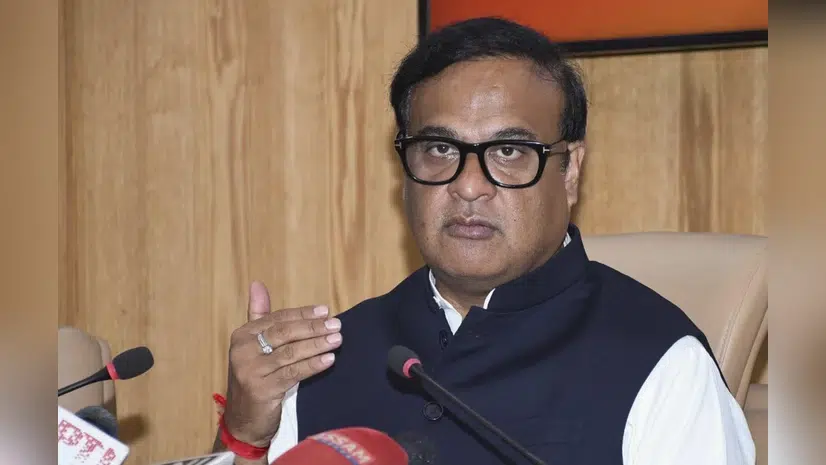
The Chief Minister detailed the provisions of the proposed legislation during a press conference at Lok Sewa Bhawan in Guwahati, highlighting its stringent penalties and focus on victim compensation.
Key Provisions of the Bill
The core objective of the bill is to prohibit individuals from entering into a marriage if they have a living spouse from whom they are not legally separated by due process of law, or if they are a party to a marriage that has not yet been dissolved or annulled by a decree of divorce.
Penalties and Compensation
To deter the practice, the bill introduces severe punitive measures:
- Rigorous Imprisonment: The bill includes a provision for 7 years of rigorous imprisonment for those persons found to be engaging in a second or subsequent marriage.
- Victim Compensation: Recognizing the hardship faced by victims, the bill also seeks to provide compensation to the victim women who suffer immense pain and hardship due to a polygamous marriage.
Chief Minister Sarma stated that the legislation has been framed with the “avowed objective to streamline the society” and save it from the “scourge of such practices.”
Sixth Scheduled Areas Excluded
While the bill aims for a statewide ban, it notably includes an exception for practices within the state’s Sixth Scheduled areas. These are regions governed by special constitutional provisions aimed at protecting the rights and customs of indigenous tribal communities.
The approval of the bill is a significant step in the state government’s commitment to social reform and its ongoing efforts to modernize and unify certain laws.