

By PingTV News Desk | January 1, 2026
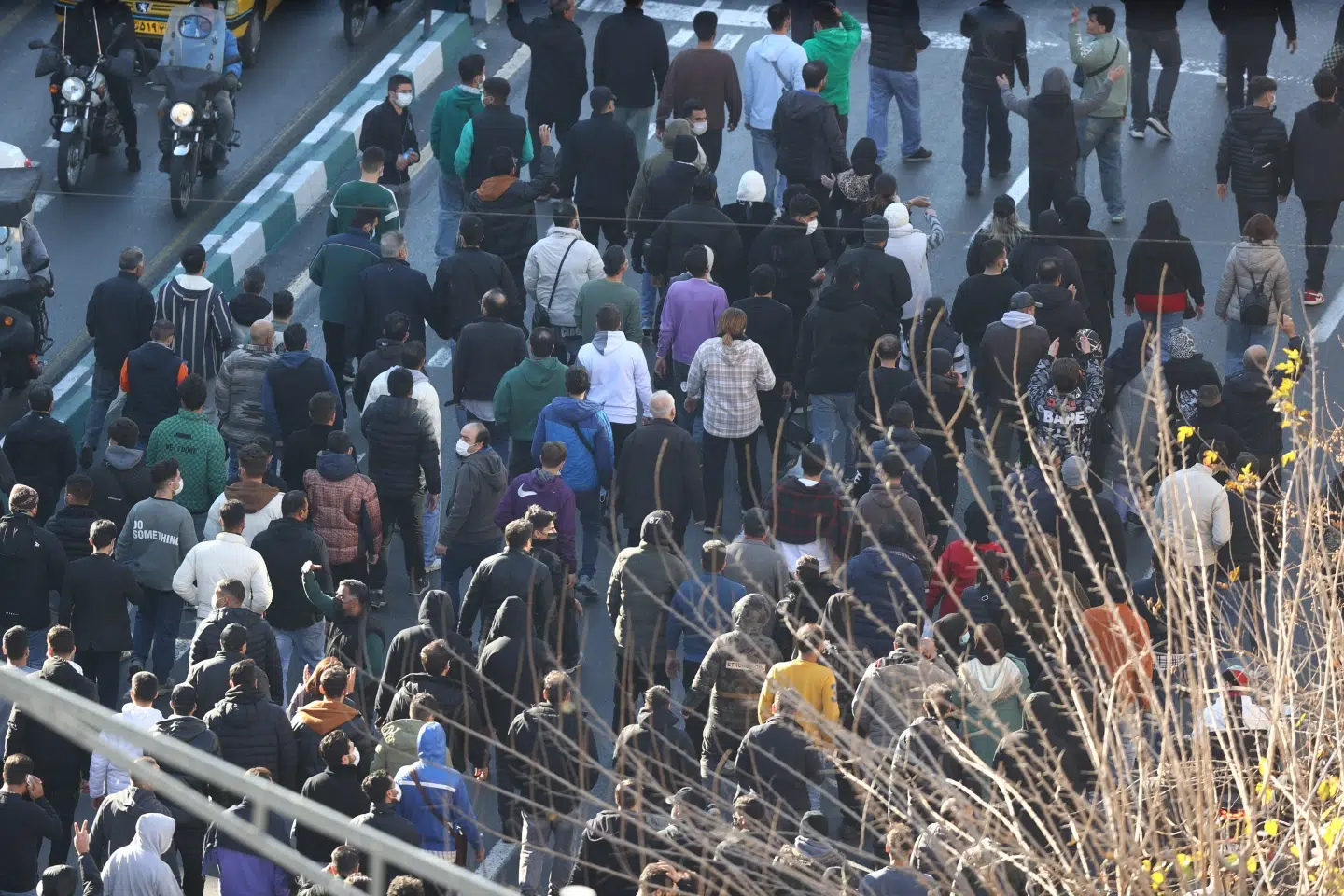
Several people have been reported killed as Iran protests over economic crisis intensified across multiple cities, marking one of the deadliest episodes of unrest in the country in recent years. Demonstrations driven by soaring inflation, a collapsing national currency, and worsening living conditions have escalated into violent clashes between protesters and security forces.
The protests, which began earlier this week as strikes by merchants and workers, quickly spread to university campuses and residential neighbourhoods. What initially emerged as economic demonstrations has evolved into widespread public anger over the government’s handling of Iran’s fragile economy.
Fatalities Reported as Protests Spread
According to state-affiliated media and independent rights groups, at least three people have been killed during confrontations in several provinces, including Isfahan, Lorestan, and Fars. Authorities confirmed that a member of the Basij volunteer force died in western Iran following clashes with protesters, while rights monitors reported the deaths of civilians in separate incidents.
Multiple injuries have also been reported among both demonstrators and security personnel as unrest continues into the new year. Independent verification of all fatalities remains difficult due to restrictions on media access and internet disruptions in affected areas.
Economic Crisis at the Heart of Unrest
The current wave of Iran economic protests has been fueled by a sharp rise in prices of basic goods, persistent unemployment, and the continued depreciation of the Iranian rial. Inflation has severely eroded purchasing power, leaving many households struggling to meet daily expenses.
Merchants in Tehran’s historic Grand Bazaar were among the first to stage walkouts, protesting declining sales and rising operational costs. Their actions quickly inspired similar demonstrations across the country, highlighting the scale of economic frustration gripping Iranian society.
Government Response and Security Measures
Iranian authorities have deployed additional security forces in major cities in an effort to contain the unrest. Officials have blamed “economic pressure and foreign interference” for the protests while warning against actions that threaten public order.
The judiciary has announced arrests linked to what it described as “violent acts” during demonstrations, while government representatives have called for calm and pledged to address economic grievances. However, critics argue that long-standing structural problems and international sanctions continue to limit the government’s ability to deliver meaningful relief.
Growing Tensions and Uncertain Outlook
The deadly turn in the Iran protests over economic crisis underscores growing tensions between the public and the state, as economic hardship deepens amid regional instability. Analysts warn that without tangible economic reforms, public discontent may persist or intensify.
International observers and human rights organisations are closely monitoring the situation, urging restraint and accountability. As Iran enters the new year, the protests highlight the fragile balance between economic survival and political stability in the country.
US Sanctions 9 Indian Firms and 8 Nationals Over Alleged Role in Iran’s Oil and Petrochemical Trade
Pezeshkian Declares ‘Full-Fledged War’ with West as Trump-Netanyahu Meeting Looms
Massive ‘No Kings’ Protests Sweep US: Organizers Claim 7 Million March Against Authoritarianism