

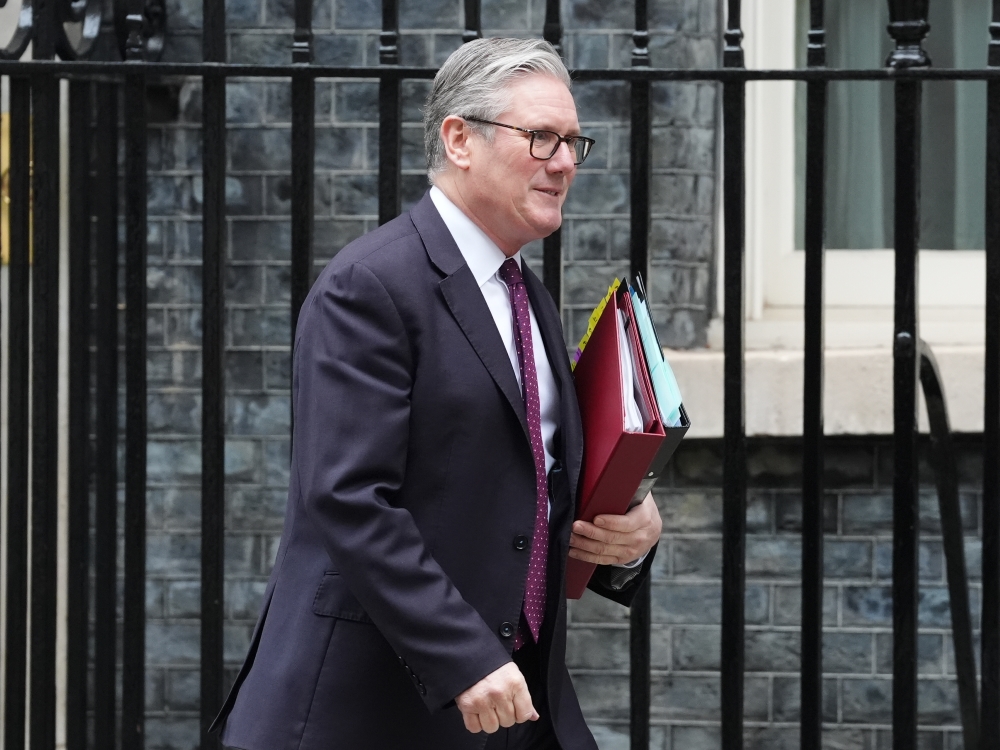
LONDON, UK – In a move that has sent shockwaves through the global tech community, UK Prime Minister Keir Starmer has initiated a diplomatic offensive, seeking international consensus to impose a ban on the social media platform X (formerly Twitter). The bold proposal, first hinted at during a closed-door meeting with EU leaders last week, was formally outlined today in a white paper presented to the United Nations Security Council.
The “Why”: A Confluence of Concerns
Prime Minister Starmer’s government cites a multifaceted rationale for this unprecedented global intervention, primarily focused on safeguarding democracy, protecting vulnerable populations, and combating the spread of harmful content.
1. The Erosion of Democratic Discourse: The primary concern articulated by Downing Street is the platform’s perceived role in the degradation of democratic processes. The government’s white paper, titled “Digital Integrity: Safeguarding Global Democracy,” highlights: * Algorithmic Polarization: Accusations that X’s algorithms amplify extremist viewpoints and create echo chambers, making reasoned debate increasingly difficult. * Foreign Interference: Persistent allegations of state-sponsored disinformation campaigns and foreign interference in elections, which the UK claims X has failed to adequately address. * Incitement to Violence: Numerous instances globally where content on X has been linked to the incitement of political violence and civil unrest.
2. Online Harms and Child Safety: A cornerstone of the Starmer government’s policy agenda has been online safety, particularly concerning children and vulnerable adults. The push for an X ban stems from frustrations over: * Pornography and Exploitation: Concerns about the ease with which child sexual abuse material (CSAM) and other exploitative content can circulate, despite platform efforts. * Hate Speech and Harassment: The persistent challenge of combating hate speech, racism, and targeted harassment, with critics arguing X’s moderation policies are inconsistent or ineffective. * Mental Health Impact: Studies cited by the UK government suggest a correlation between excessive exposure to harmful content on platforms like X and deteriorating mental health among young users.
3. Data Security and Privacy Breaches: While not the leading cause, Starmer’s government has also expressed reservations regarding X’s data security protocols and user privacy, particularly following high-profile data breaches and controversies over data handling in recent years.
The Proposed Path: A Coordinated International Effort
Recognizing the extraterritorial nature of the internet, the UK’s proposal emphasizes a coordinated international response rather than a unilateral ban. Key aspects of the strategy include: * UN Resolution: Seeking a UN Security Council resolution or a broader General Assembly vote to establish an international framework for regulating—or banning—platforms deemed harmful. * G7/G20 Alliance: Building a coalition among major economic powers to exert collective pressure on tech companies and potentially enforce a global shutdown. * Digital Sovereignty: Promoting the concept of “digital sovereignty,” where nations have greater control over the online content accessible within their borders.
Reactions: A Fierce Debate Ignites
The proposal has predictably ignited a firestorm of debate.
-
Proponents argue that immediate, decisive action is necessary to protect democracy and public safety. “The digital wild west must end,” stated Culture Secretary Emily Thorne. “Our children’s future, and the very fabric of our societies, depends on it.”
-
Critics, including free speech advocates and civil liberties organizations, warn of the dangerous precedent such a ban could set. “This is an authoritarian overreach,” commented Sarah Jenkins of Digital Rights Watch. “Banning platforms, however flawed, chips away at fundamental freedoms of expression and risks empowering governments to silence dissent.”
-
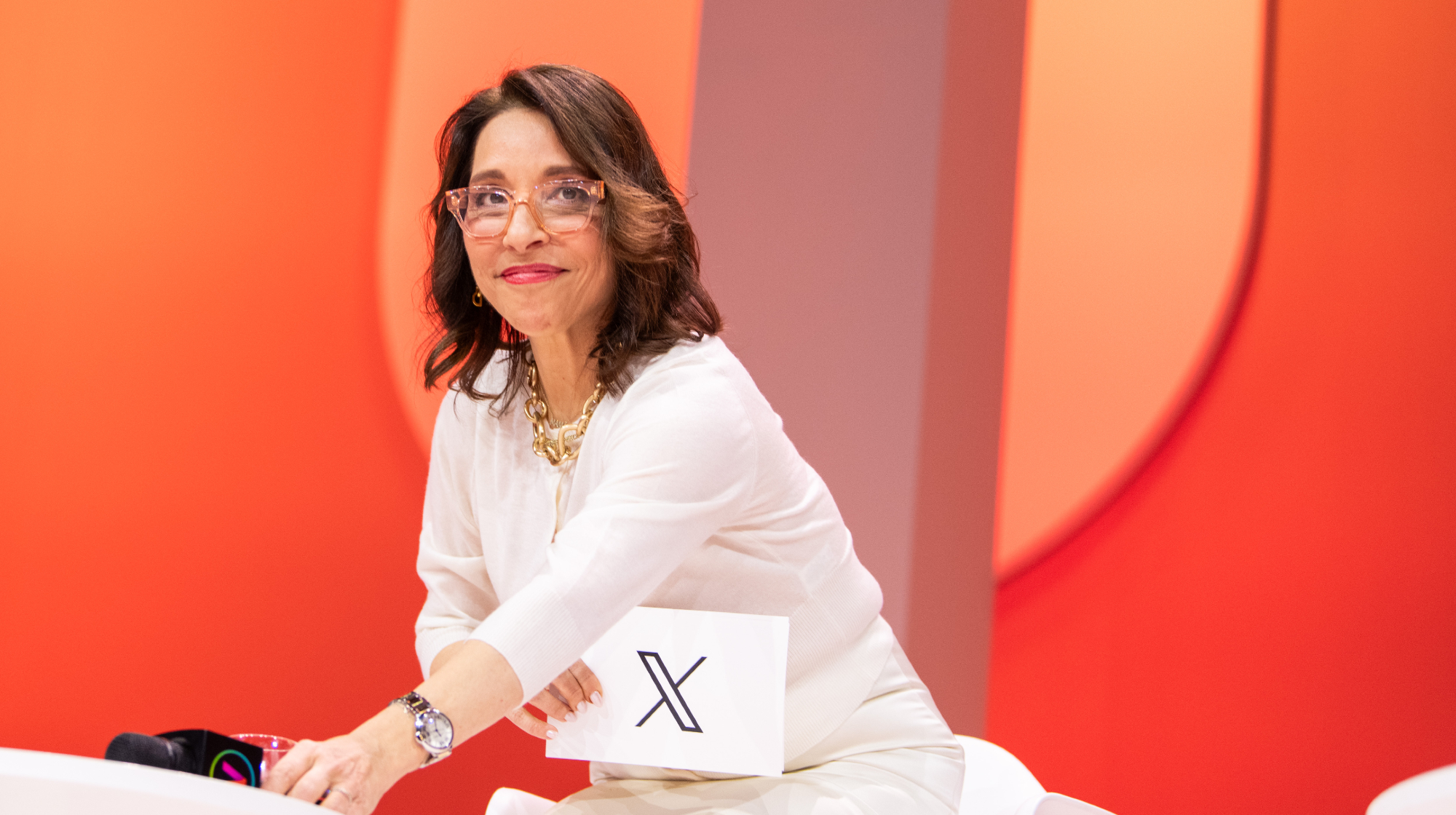
Tech Industry Response: X’s CEO, Linda Yaccarino, has yet to issue a formal statement but sources indicate deep concern within the company. Legal teams are reportedly preparing for an unprecedented battle, arguing that the move represents censorship and a direct attack on internet freedom.
What Happens Next?
The path to an international ban on a platform as ubiquitous as X is fraught with legal, diplomatic, and practical challenges. Prime Minister Starmer’s initiative represents a significant escalation in the global battle over online regulation. The coming months will test the resolve of the UK government and the willingness of international partners to fundamentally reshape the landscape of digital communication.
Australian Leader Defends Social Media Ban as Teens Flaunt Workarounds
European Court of Human Rights Challenges UK Over Shamima Begum Citizenship Revocation
PingTV Editorial Note
The standoff is being viewed as the first major test of “Digital Sovereignty” in 2026. If the UK successfully coordinates an international restriction, it could fundamentally change how global tech platforms operate under national laws.
Elon Musk’s X faces potential UK ban over AI images
This video details the specific “Grok” AI controversy that pushed Prime Minister Keir Starmer to declare that a ban on the platform is “on the table.”