

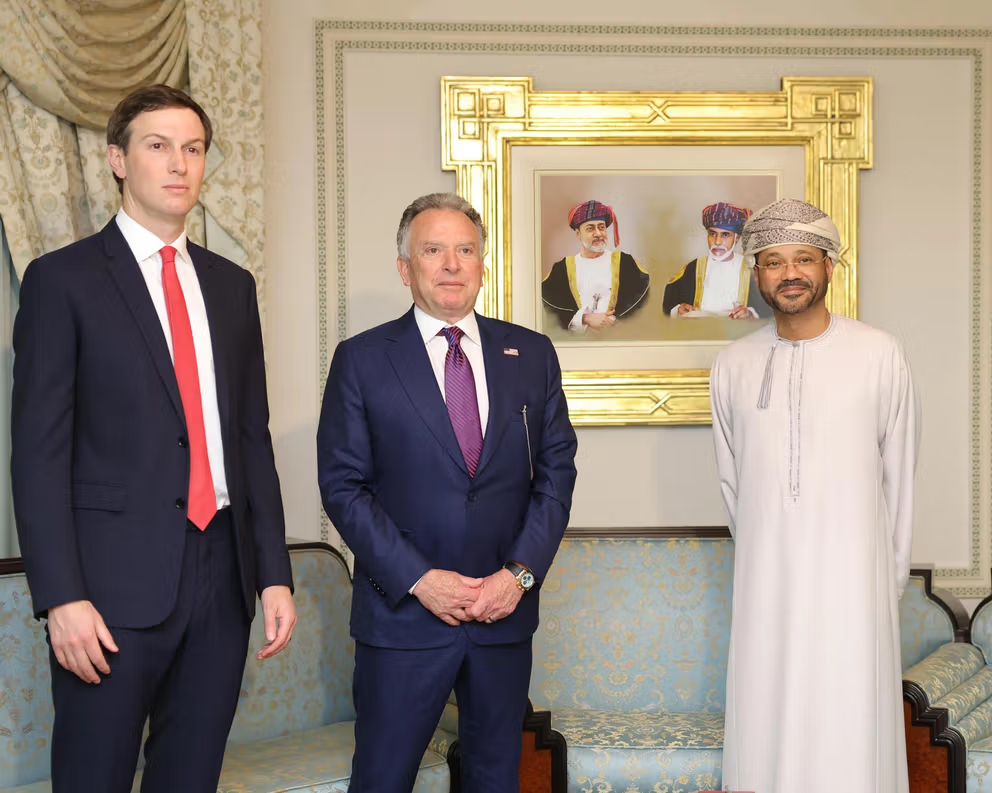
MUSCAT, Feb 6, 2026 (PingTV News): In a dramatic display of “Maximum Pressure” diplomacy, the United States has imposed a new wave of sanctions on Iran’s oil sector—just hours after indirect negotiations in Muscat, Oman, were described by Tehran as a “good start.”
The move highlights a sharp divide between the Biden-era diplomatic style and the current Trump administration’s strategy of negotiating under immediate economic fire. While Iranian officials expressed cautious optimism about a framework for future talks, Washington signaled that the path to any deal remains paved with intensifying restrictions.
The “Double-Track” Strategy: Talks and Penalties
The indirect talks, mediated by Omani Foreign Minister Badr al-Busaidi, involved U.S. Mideast envoy Steve Witkoff and Jared Kushner meeting separately from Iranian Foreign Minister Abbas Araghchi.
As the delegations prepared to depart Muscat, the U.S. State Department announced sanctions targeting:
-
14 Vessels: Tankers flagged from India, Turkey, and the UAE allegedly transporting Iranian petroleum.
-
15 Entities & 2 Individuals: Including an Indian-based firm, Elevate Marine Management Private Limited, and its director.
-
Global Shipping Networks: Targeting the “ghost fleet” used to bypass existing oil embargos.
State Department spokesperson Tommy Pigott stated that the administration remains “committed to driving down the Iranian regime’s illicit oil exports” while diplomatic channels remain open.
Iran’s Perspective: A “Good Start” Amid Mistrust
Despite the immediate sanctions, Iranian Foreign Minister Araghchi told state television that the eight-hour session was a productive beginning.
“It was a good start to the negotiations. If this process continues, I think we will reach a good framework for an understanding,” Araghchi said, though he warned that “the deep mistrust that has developed is a serious challenge.”
Tehran’s delegation remains firm that the talks should focus strictly on the nuclear program and the lifting of sanctions. However, Washington—represented not just by diplomats but also by CENTCOM Commander Adm. Brad Cooper—is pushing for a broader deal that includes:
-
Ballistic missile range limits.
-
End to regional proxy support.
-
Human rights guarantees following the 2025-2026 nationwide protests in Iran.
High Stakes: The “Armada” in the Arabian Sea
The negotiations are unfolding against a backdrop of significant military tension. The USS Abraham Lincoln carrier strike group is currently positioned in the Arabian Sea, a presence President Trump has referred to as an “armada” ready to act if diplomacy fails.
Experts suggest the sanctions are a tactic to maintain leverage over a weakened Iranian economy, where the Rial has lost nearly half its value in the last eight months.
US Navy F-35C Shoots Down Iranian ‘Shahed-139’ Drone Near USS Abraham Lincoln
US Sanctions 9 Indian Firms and 8 Nationals Over Alleged Role in Iran’s Oil and Petrochemical Trade