

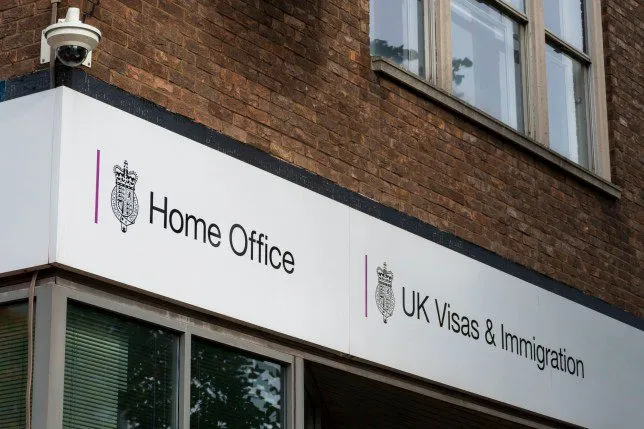
LONDON, UK — The UK’s higher education sector is undergoing a profound strategic shift as universities begin to limit or suspend admissions for students from high-risk visa markets, including Bangladesh and Pakistan. This dramatic action is a direct response to the newly stringent Home Office compliance regime, which threatens institutions with the loss of their Student Sponsor Licences if visa refusal rates exceed a critical threshold.
The move, seen by many universities as a necessary defensive maneuver, aims to safeguard the viability of international recruitment under the government’s tough new migration agenda.
The New Compliance Imperative: The 5% Barrier
The central catalyst for the admissions restrictions is the overhaul of the Home Office’s Basic Compliance Assessment (BCA), the annual audit that determines a university’s right to sponsor international students.
| Compliance Metric | Old Threshold (2024) | New Threshold (2025/26) | Impact |
| Visa Refusal Rate | 10% maximum | 5% maximum | Universities exceeding this face sanctions, including ‘Action Plans’ or licence revocation. |
| Enrolment Rate | 90% minimum | 95% minimum | Percentage of sponsored students who successfully enrol. |
| Course Completion Rate | 85% minimum | 90% minimum | Percentage of students completing their programme. |
Institutions that fail to meet these elevated standards—particularly the razor-thin 5% visa refusal limit—will be publicly named and placed under mandatory Action Plans, effectively capping or halting new international recruitment.
The Challenge from South Asia
For several universities, particularly those reliant on mass international recruitment, the visa refusal statistics for certain markets are currently unsustainable under the new rules:
-
Pakistan: Visa refusal rates have been reported at approximately 18% in the year to September 2025.
-
Bangladesh: Refusal rates have been reported even higher, at approximately 22% in the same period.
With these refusal rates sitting four times above the new 5% limit, institutions like London Metropolitan University, the University of Hertfordshire, Coventry University, and the University of East London have confirmed measures to suspend or severely restrict admissions from one or both countries for upcoming intakes.
“The integrity of our Student Sponsor Licence is paramount,” stated a spokesperson from one affected institution. “These are difficult, but unavoidable, strategic decisions to ensure the long-term sustainability of our international programs.”
Home Office Stance and Broader Policy Changes
The Home Office maintains that the measures are necessary to curb perceived misuse of the student route, which ministers claim is being exploited as a “backdoor” for settlement.
Official Statement Summary:
“The government strongly values the contribution international students make to the UK economy and society. However, we are clear that the student visa route must not be abused. These tougher compliance standards ensure that only genuine applicants come to the UK and that education providers take their responsibilities seriously in screening and supporting their students. We are committed to taking firm action against those who seek to undermine the integrity of our immigration system.”
The crackdown is part of a wider policy package, including:
-
Dependant Ban: Effective since early 2024, most international students on taught master’s courses are no longer permitted to bring family members to the UK.
-
Shorter Post-Study Work Visa: The duration of the Graduate visa route is reportedly set to be reduced from two years to 18 months for bachelor’s and master’s graduates in 2027, further diminishing the UK’s attractiveness compared to competitors like Canada and Australia.
-
Targeted Scrutiny: Visa applications from specific nationalities, including Pakistan and Nigeria, are now subject to enhanced scrutiny and financial vetting to mitigate asylum risks.
Financial and Reputational Fallout
The fallout from the new restrictions is twofold:
-
Financial Pressure: International students contribute over £12 billion annually in tuition fees. Universities are already facing significant financial deficits, and a sudden drop in lucrative recruitment from key markets will exacerbate this crisis, forcing institutions to find new revenue streams or make deep cuts.
-
Reputational Damage: The late withdrawal of offers and the perception of nationality-based barriers are creating immense uncertainty and frustration among genuine prospective students, potentially damaging the UK’s reputation as a welcoming global study destination.
As institutions rush to implement stricter vetting procedures and diversify their recruitment away from high-risk markets, the UK’s international education landscape is set for a turbulent period of readjustment.