

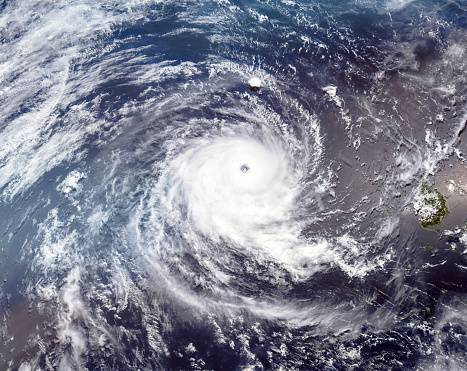
Prologue: The Scent of a Storm
Cyclone Montha is moving along the Andhra coast, carrying a name that feels oddly gentle. In Thai, Montha means a fragrant orchid. The word doesn’t fit the image of roaring waves or uprooted trees, yet that contrast is the point.
The question is simple: why give a storm such a name at all? And how does a cyclone in the Bay of Bengal end up with a Thai name?
Why Cyclones Are Named
Long ago, storms were marked by numbers or coordinates — 17.5°N, 78.5°E — as if disasters were just data points. That changed because numbers don’t stick. People remember names. A name makes warnings clear and quick to spread.
It’s also psychological. A named storm feels real. It has identity, intent, danger. Cyclone Montha gets attention in a way Deep Depression BOB 04 never could. That attention saves lives. Naming a cyclone is not poetry — it’s public safety.
How the Naming Works
The system is a quiet piece of international cooperation. Thirteen countries around the Indian Ocean — from Bangladesh to Yemen — each submit a list of names. The Regional Specialised Meteorological Centre in New Delhi follows the list in strict order. No country can jump ahead or rename a storm.
Here are the countries that contribute names for this region:
- Bangladesh
- India
- Iran
- Maldives
- Myanmar
- Oman
- Pakistan
- Qatar
- Saudi Arabia
- Sri Lanka
- Thailand
- UAE
- Yemen
The 2020 list replaced an older list (from 2004) and covers 169 names for use over the basin. (Note: This is the verified sequence. Saudi Arabia comes before Sri Lanka and Thailand, not after.) Each country should propose 13 probable names to RSMC, New Delhi.
Now, let’s trace the recent cyclones using this official order:

*Indicates the serial number of the names of the cyclones, assigned by country. In the current one, Thailand has named Montha, which is 11th in their list. They have two more left after which Thailand needs to submit a fresh list of 13 names.
That’s how we got this sequence:
- Remal (named by Oman)
- Montha (Thailand)
- and next, Bayan (Saudi Arabia)
Each name means something in its own language. Hudhud from Oman is a bird. Gulab from Pakistan means rose. Tej from India means speed. The list moves across cultures like a slow, steady relay — one name, one turn, one storm.
When Names Are Retired
Some names never return. When a cyclone causes heavy loss, its name is withdrawn out of respect and clarity. Fani in 2019 and Mocha in 2023 are gone for good. The countries that proposed them will suggest new names later.
That’s why the sequence sometimes shifts. Retired names leave gaps, and the updated list rolls forward. It’s a reminder that even bureaucracy can carry compassion.
Epilogue: Bayan and Beyond
As Montha weakens, another name waits: Bayan — Saudi Arabia’s word for “clarity” or “a clear sign.” Fitting, because each storm is a sign of warning, of shared vulnerability, of how the region works together when it must.
Cyclone names aren’t just labels. They are tools for survival and symbols of cooperation in a sea that doesn’t respect borders.
May Bayan remain only a name on paper — and not another story written in wind and water.